Managing expectations while remaining optimistic creates the right mindset for a successful protocol
(r 0.999), matrix-matched Internal Std:Sc, Ge, Rh, Re, Bi 10 ppb each, online addition QC:Method blank, CRM (NIST 1577c), spike recovery (90-110%), duplicate analysis Elemental Impurity Results Method Validation Parameters Test Method & Conditions Standard:USP Sterility Tests / EP 2.6.1 / ChP 2020 (1101) Method: Membrane Filtration (0.45 m cellulose nitrate, Millipore HAWP) Rinse:0.1% Peptone Water (Fluid A per USP), 3 100 mL per membrane Sample:33.1 mg dissolved in 10 mL sterile diluent, filtered through 2 membranes Media:FTM (Fluid Thioglycollate Medium) + SCDM (Soybean-Casein Digest Medium), BD Difco Environment:ISO Class 5 (Grade A) / ISO Class 7 background, P 15 Pa, viable monitoring / ChP 1105-1106) Test Method & Instrumentation Standard:USP Bacterial Endotoxins Test / EP 2.6.14 / ChP 2020 (1143) Method: Kinetic Turbidimetric LAL Assay Instrument:Lonza PyroGene rFC Detection System + BioTek ELx808 microplate reader LAL Reagent:Lonza PYROGENT Plus, = 0.03 EU/mL (Lot: L9635, Exp: 2026-10) RSE:USP Reference Standard Endotoxin ( E

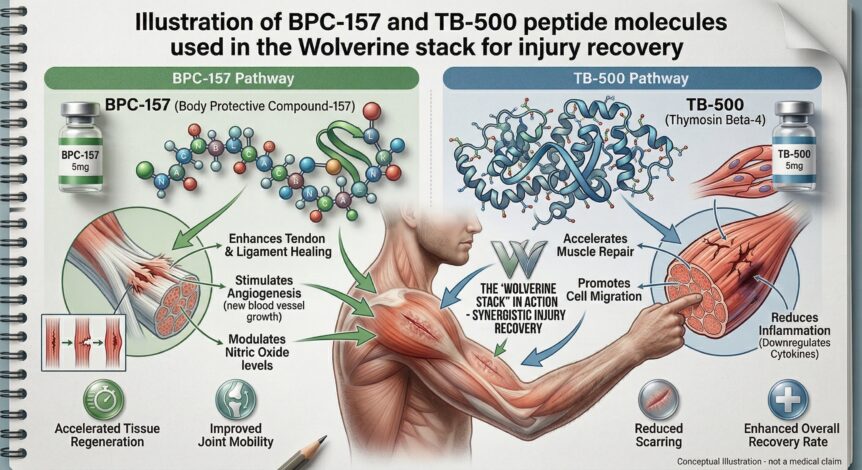
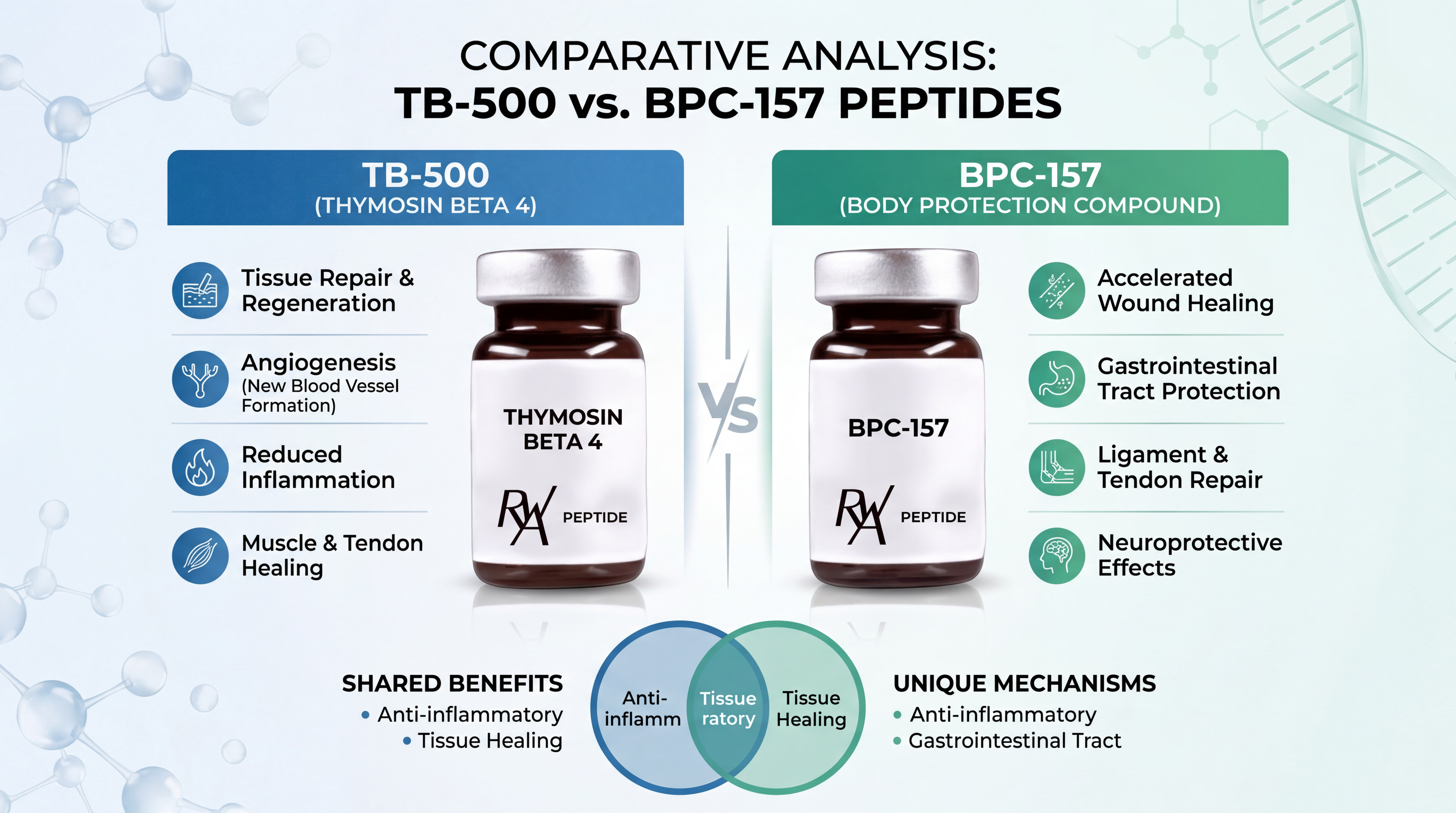
However, the main difference, in my opinion, is that TB-500 is systematic and BPC157 is more site specific
(2022) in Cell Metabolism established that the glucagon receptor component within the retatrutide dosing framework directly drives increased resting energy expenditure
Of all the vitamins our bodies need, vitamin B12, also known as cobalamin, is arguably one of the most important